Yoni Healing, Body Memory, and the Release of Pelvic Armoring
Revised and updated June, 20026
What is the sexual healing technique “Internal Pelvic Release,” and how is it beneficial?
In Sexual Healing sessions, it is sometimes advisable to perform an Internal Pelvic Release procedure, or IPR, to support a client’s progress in releasing stored and blocked energy. IPR provides an opportunity to unwind, open, and release “energy-knots,” meaning emotional-energetic contractions that have a corresponding location in the body. These knots are often held in the pelvic area, including external and internal places of the vagina or anus.
This article focuses mainly on vaginal Internal Pelvic Release, also known in some healing circles as “yoni healing.” Before beginning IPR, there should always be a thorough discussion about the procedure, what is involved, why it is being considered, and what the intended outcome may be. Clear informed consent must be reached before proceeding.
IPR is a hands-on internal procedure in which the vagina, or yoni, receives gentle probing to locate places in the vaginal wall that may feel unresponsive, numb, tight, tender, or uncomfortable when touched. These locations often bring forward strong emotions associated with past emotional and/or sexual trauma. The method of performing IPR is reflective of Myofascial Release or Visceral Manipulation light-touch therapies.

You might be reading this because you have heard the term “yoni healing” and want to understand what it means. You may be a sexual trauma survivor seeking more understanding about why certain intimate situations bring up fear, numbness, pain, or emotional overwhelm. Or you may be someone who feels blocked, shut down, or unable to fully enjoy sexual experience and wants to know whether there are healing methods that address the body directly. Internal Pelvic Release is one such method.
Reasons for Including Internal Pelvic Release in a Healing Session
Many women have experienced emotional or physical abuse, sexual assault, rape, or molestation. Also common are more subtle forms of sexual pressure, such as feeling obligated to accommodate the desire of a husband or lover when a woman does not desire sex, does not feel fully open to sexual engagement, or does not feel free to say no.
All of these experiences can produce contractions and restrictions in a woman’s energy. These restrictions create emotional-energetic “knots” embedded in the areas of the body where the trauma, pressure, or emotional wound occurred.
These adverse experiences are stored in body-memory tissue, often located in the abdomen, pelvis, vagina, rectum, legs, and/or lower back. These knots can clamp down on a woman’s ability to feel her eros, life-force energy, and full enjoyment of sexual experience. They can create places in the body that feel unresponsive, numb, guarded, painful, or strangely disconnected.
Women who experience this condition may feel cut off from their sexuality, their partner, or their own pleasure. IPR, or yoni healing, can be helpful in restoring sexual vibrancy and wellbeing. To feel the fullest experience of flowing sexual energy, the energetic pathways of the body need to be prepared, clear, and open.
When this happens through IPR, women often feel empowered and freer in their sexual expression and embodiment of Shakti, or divine feminine energy. They may feel lighter, more alive, more sensually sensitive, and more able to experience full erotic and orgasmic response during sex.
IPR Procedure
The following description is for information purposes only. It is not meant to completely equip anyone to perform Internal Pelvic Release. Anyone interested in performing IPR should not attempt it without previously receiving personal instruction from an experienced teacher or practitioner.
No part of the Internal Pelvic Release procedure is meant to treat or cure disease, replace regular medical care, or replace prescribed treatment from a physician.
Before beginning an IPR session, it is essential to have a thorough discussion about the procedure. The recipient must have enough information, space, and time to fully consider her options and authentically approve receiving the procedure. Consent is not a single “yes” at the beginning. It is an ongoing agreement that can be changed or withdrawn at any time.
To create a suitable healing environment and the best opportunity for the desired outcome, it is helpful to establish some distance from, or neutrality around, the issue or trauma causing contraction. This can be approached through gentle discussion of past abuse, emotional wounding, or sexual difficulty in a way that supports awareness without forcing the client to relive the experience.
The recipient is encouraged to hold the intention of releasing contracted energy and stuck emotions while opening to healing and restoring wholeness. When this inner readiness is present, the physical aspect of the procedure can have a greater impact and is more readily welcomed by the body.
To prepare the body, a full-body sensual massage is given. It is essential to deeply relax the body so that unconscious “armoring,” meaning emotional-physical clenching or contraction, is reduced and energy can flow more easily. Tantric energy skills are used to open the energy pathways of the body in preparation for the erotic energy flow that follows.
Only when the body is prepared in this way can the IPR procedure have its greatest effectiveness.
Internal Pelvic Release
During the informed consent discussion, one important subject to consider is possible exposure to STD/STIs. Depending on what is disclosed, the client may prefer, and/or the healing practitioner may decide, to wear medical gloves for the procedure.
Medical gloves provide STD/STI protection, but they also diminish touch sensitivity and make it more difficult to detect subtle differences in the tissue being touched. After frank and honest consideration, if the health condition of both the client and healing facilitator is clear, both parties may reasonably decide that gloves are not necessary for the IPR procedure. This decision should never be casual. It must be based on mutual consideration, clear disclosure, and the safety and consent of both the facilitator and recipient.
After the sensual massage, it is very important for the healer to ask permission before engaging or entering the vagina, or yoni. The woman receiving this procedure must feel completely safe and at-choice. Nothing should feel taken from her. She should not feel obligated to submit to a procedure she does not desire or is not ready to receive.
Before touching the vagina, the healing facilitator should ask for permission and receive a clear verbal “yes.” With this affirmation, the facilitator then places their hand on the vulva and waits for the body to also “say yes” by its feel: open, receptive, relaxed, and welcoming.
Before entering the vagina, the vulva receives a gentle massage to relax the area and open the vagina to receive the deeper contact of penetration. Signs the vagina may be ready include warmth or heat to the touch, engorged tissue or vaginal lips, an erect clitoris, and an abundance of vaginal fluid.
If the vagina is not responding, do not force, push, or try to make something happen. There may be emotions, self-judgment, fear, memories, or inner conflict preventing relaxation and a complete “yes.” Go slowly. Through inquiry, patience, and emotional attunement, help the emotional body come into alignment with the physical body and the intention to release, open, and heal.
When the vagina is properly prepared and ready to be entered, the facilitator does so with one lubricated finger. With feedback from the recipient, the facilitator slowly and gently probes the vaginal walls for areas of numbness, tightness, tenderness, soreness, or pain.
When such areas are encountered, gentle but firm pressure is applied. There is no rubbing or friction. The contracted spot is met with pressure that equals the firmness of the contraction, without trying to force it to release.
An adept healing facilitator can energetically sense the contracted, knotted locations and bring focus, attention, and energy to that spot while applying subtle pressure. The woman receiving IPR is invited to place her attention on the same location and breathe into it, holding the intention of allowing release, opening, and healing to occur.
The physical touch process is reflective of Myofascial Release or Visceral Manipulation light-touch therapies. The practitioner holds gentle, consistent pressure until there is a felt sense of release in the tissue being touched.
As the vaginal wall tissue releases, there will be a definite physical feeling of softening and opening. Energetic flow often returns, sometimes producing spontaneous spasms, undulations, or waves of pleasure. The release may also be accompanied by vocalization of strong emotion, sobbing, tears, shaking, sweating, or other physical reactions.
After one area is addressed, the rest of the vaginal wall is thoroughly canvassed for additional places where energy-knots may reside. This allows for a more complete clearing of the vagina. Multiple passes are often needed, and more than one session may be required for full rehabilitation to occur.
A Different Touch
The IPR procedure is not intended to be sexual or to produce orgasm, although orgasm can occur during the procedure. IPR is also not intended to evoke female ejaculation.
IPR, and the sensual massage that may be included with it, are meant to employ therapeutically applied erotic energy. The intention is wholeness, complete acceptance, release, and a return of sensual wellbeing.
This kind of touch is meant to feel lovingly supportive and healing. It promotes relaxation and invites a deeper willingness to release armoring, stiffness, numbness, and emotional holding. The touch is intimate, but it is not goal-oriented sexual touch. It is not about performance, stimulation, seduction, or arousal for its own sake. It is healing touch applied through the doorway of the erotic body.
Completion
When the IPR procedure feels complete, the healing facilitator slowly and gently removes their finger and places the palm of their hand on the vulva, holding awareness there for several breaths until the body responds with a cleansing breath and a noticeable shift into rest and completion.
Gentle, long strokes along the length of the body can help the areas not directly involved in the IPR procedure integrate with the experience. One hand may remain on the vulva to support further emotional release and integration of any strong feelings that may come up.
Some healing facilitators may also offer Reiki or other energy healing at this point to clear the aura and subtle energy body.
Often, the recipient’s body will change in sensitivity and temperature after the procedure. Covering her with a warm blanket can feel deeply welcomed. Gentle compression squeezes through the blanket can add to her sense of being nurtured, held, and complete.
Completing the IPR procedure also involves holding space. This means staying present without trying to fix anything, stop emotion, rush the process, or interpret what is happening. The healing facilitator can offer support through quiet presence, eye contact, holding hands, or embracing, as desired by the recipient — or not. The recipient’s emotional and physical state should always be respected.
Benefits of Internal Pelvic Release
For a woman to fully enjoy sexual experience, her sexual energy needs to flow freely without inhibition or contraction. The energy-knots addressed by IPR are often responsible for decreased sensitivity and a reduced ability to be present, feel safe, and fully enjoy sex.
By freeing this area of the body from contraction, IPR can allow sexual energy to flow more freely through the three lower chakras, or energy centers, of the body.
In Hindu and Buddhist traditions, the body is understood to have metaphysical energy centers called chakras. These centers are associated with different organs and areas of the body and are said to function as processors, transformers, and distributors of life-force energy, or prana, to the organs, glands, and nerves.
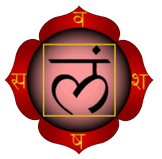
The Root Chakra, Sanskrit: Muladhara, is located at the end of the tailbone and represented by the perineum. It is connected to a person’s relationship with community, family, survival, and feeling grounded and connected to Mother Earth Gaia. It is through this chakra that material-physical manifestation and procreation are associated. The Root Chakra is also said to be the dwelling place of dormant sexual energy.
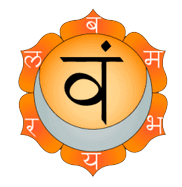
The Sacral Chakra, Sanskrit: Swadhisthana, is associated with the pelvis and genitals. It is connected to sexual expression and active sexual energy. The Sacral Chakra is associated with eros, sensuality, inspiration, creative spark, strong emotion, vitality, and the vibrancy of life.
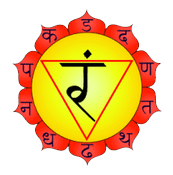
The Solar Plexus Chakra, Sanskrit: Manipura, is connected to personal power and the ability to manifest one’s dreams or intentions. The Solar Plexus Chakra is located about three fingers below the end of the sternum on the rib cage and is associated with the stomach. Unusual tightness in the stomach area, cramping, bloating, or elimination issues may indicate Solar Plexus Chakra activation. Clearing this chakra can empower a person’s life with confidence, clear intention, and the ability to manifest goals and desires.
By clearing these three chakras of blockages, contractions, and restrictions, life can become filled with greater life-force energy, sensuality, confidence, and expanded erotic and orgasmic ability. By addressing energy-knots in the vagina, which is the nexus point of the energies of the lower three chakras, the IPR procedure supports the restoration of free-flowing energy and a greater sense of wellbeing.
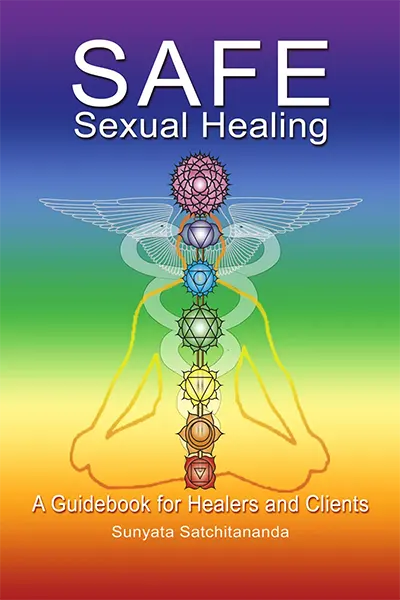
For a deeper look at the ethics, consent, boundaries, and healing principles behind this work, see my book Safe Sexual Healing: A Guidebook for Healers and Clients. It offers a grounded framework for understanding sexual healing from both sides of the healing relationship, with care for safety, trust, and genuine transformation.
Internal Pelvic Release FAQ
Will the IPR procedure be painful?
There may be some discomfort, ranging from slightly uncomfortable to mildly painful, depending on the individual condition of the body. Sensations can include tenderness, dull pain, tightness, soreness, or a feeling of weakness in a localized place in the vaginal wall.
For many women, there is no pain at all. Often there is simply a sense of tension releasing in one spot while the rest of the vagina feels enlivened and responsive.
Pain is not the goal of IPR. The facilitator should not push through pain or override the recipient’s body. The work is done by meeting contraction with gentle, steady pressure and waiting for the body to release.
Will I experience orgasm?
The touch used in IPR is not intended to solicit orgasm. It can, however, be pleasurable.
Therapeutically applied erotic touch uses gentle pressure without friction-sex movement. This touch can be deeply pleasurable while conveying trust, safety, and acceptance. It consciously engages tender, numb, or tight areas of the vagina in a way that supports release rather than sexual performance.
The sensual massage included with the IPR procedure prepares the vagina for penetration. This preparation can be pleasurable and may sometimes elicit orgasm. Orgasm is not the goal or purpose of the procedure.
Is IPR the same as sexual stimulation?
No. IPR is not conventional sexual stimulation. It uses erotic energy therapeutically, but the intention is healing, release, restoration, and wholeness.
This is a different quality of touch. It is not aimed at arousal for its own sake, climax, seduction, or sexual gratification. It is focused on helping the body release armoring, numbness, pain, and emotional-energetic contraction.
Are medical gloves worn for the IPR procedure?
When discussing informed consent before IPR, sexual health disclosure is important. Based on this discussion, the healing facilitator may or may not wear gloves.
Many healing facilitators prefer not to wear gloves if possible because direct touch allows the highest level of sensory perception during the procedure. Gloves can make it more difficult to feel subtle differences in the tissue.
That said, glove use is a matter of safety, disclosure, consent, and mutual agreement. Both the facilitator and recipient must feel clear and safe with the decision.
Can I stop the procedure once it has begun?
Yes. The recipient can pause, redirect, or stop the procedure at any time.
Consent does not disappear once the procedure begins. A woman receiving IPR should remain fully at-choice throughout the entire session. If her body tightens, her emotions become overwhelming, or she no longer feels clear about continuing, the facilitator should stop and support her in returning to safety and grounding.
What emotions might come up during IPR?
A wide range of emotions can arise. Some women experience grief, anger, fear, relief, tenderness, sadness, trembling, laughter, or waves of pleasure. Others feel quiet, spacious, and deeply still.
Strong emotion does not mean something has gone wrong. It may mean the body is releasing what it has been holding. The facilitator’s role is to remain present, respectful, and steady, without trying to force, explain, or manage the emotional process.
How many sessions are needed?
This varies. Some women experience a meaningful shift in one session. Others may need several sessions, especially when there are multiple areas of contraction or long-held trauma patterns in the body.
The body reveals itself in layers. IPR is not something to rush. A complete healing process may require multiple passes, multiple sessions, and time for integration between sessions.
What should happen after the procedure?
After IPR, the recipient should be given time to rest, feel, and integrate. A warm blanket, gentle compression, quiet presence, Reiki or energy healing, hand-holding, or simple silence may all support completion.
The healing facilitator should not rush the recipient back into conversation or activity. The body may need time to settle. Emotional release may continue after the session, and the recipient should be encouraged to be gentle with herself afterward.
Who should perform IPR?
IPR should only be performed by someone who has received direct instruction from an experienced teacher or practitioner and who understands consent, trauma sensitivity, sexual energy, anatomy, emotional release, and energetic healing.
This is not a casual practice. It requires maturity, restraint, skill, presence, and respect for the physical, emotional, sexual, and spiritual vulnerability of the person receiving the work.
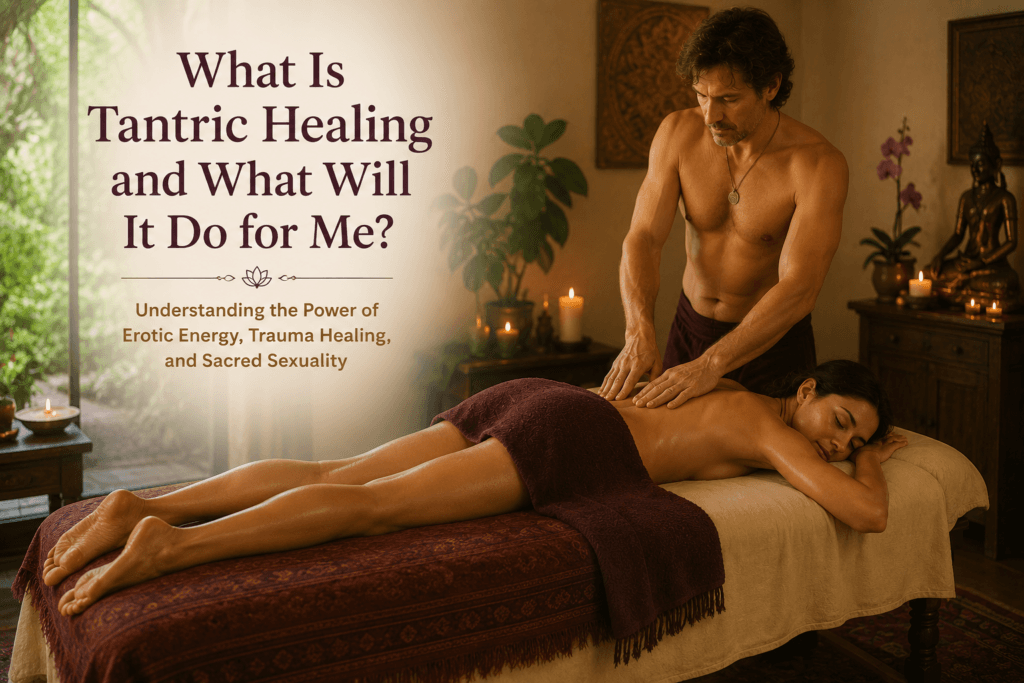
IPR is often included in Tantric Healing sessions. What Is Tantric Healing and What Will It Do for Me? explains what Tantric Healing is and how it works. A frank look at what may happen in a session, and why ethical boundaries are central to this intimate form of healing work.
Leave a Reply