The Good, the Bad, and the Ugly
Revised and updated June 2026
Tantra is a wonderful spiritual-sexual science of personal liberation and self-realization. It has been called “the path of ecstasy.”
I write this as a practicing Tantric adept of more than twenty-six years, a certified Tantric Healer, and the author of Safe Sexual Healing: A Guidebook for Healers and Clients. I have studied traditional Tantra, practiced neo-Tantra, taught sexual healing, and spoken with many people who have been helped, confused, awakened, wounded, and transformed through Tantric work.
This article is for people who are interested in Tantra, have attended Tantra events or workshops, are thinking about attending one, or are considering private sessions with a Tantra teacher, facilitator, or healer.
Georg Feuerstein, in his book Sacred Sexuality: The Erotic Spirit in the World’s Great Religions, defines Tantra this way: the Sanskrit word Tantra means “web” or “to weave,” and is often explained as “that which expands understanding.” Tantrism can be defined as a system of beliefs and practices intended to stretch the human mind and guide its adherents toward higher knowledge, or gnosis. Tantrism celebrates the divinity in and of every being and thing. Its goal is personal liberation, understood as the transcendence of the ego-personality and ordinary consciousness.
In this article, we will look at the different forms of Tantra and where they come from, then focus on the form most often found in Western culture: how it can help, where it can mislead, what hidden dangers it carries, and how to avoid them.
Tantra’s Radical Beginning
From its beginnings in ancient times, Tantra was seen as a rebellious current within major religious traditions such as Buddhism, Hinduism, and Jainism. It was looked down on and shunned because of its radical acceptance of many different paths toward self-realization, including practices that conventional religious culture considered impure, forbidden, or dangerous.
Ancient Tantric schools sanctioned practices that were considered sinful within a conventional moral and spiritual framework. This earned some forms of Tantra the term antinomianism from the Greek anti, meaning “against,” and nomos, meaning “accepted norms or law.” This was most clearly seen in the “left-hand” schools of Tantra.
As Georg Feuerstein writes in Tantra: The Path of Ecstasy, members of these schools might use “unlawful” practices such as ritualized sexual intercourse, called maithuna, with someone other than one’s marital partner; the consumption of aphrodisiacs, alcohol, and meat (taboo in Indian vegetarian society) and frequenting burial grounds for necromantic rituals.
Tantra was radical because it did not divide life into neat categories of sacred and profane. It looked at the whole of human experience and asked: Can this too become a path to awakening?
There Is No “Authentic Tantra”
There is only traditional Tantra, meaning Indian/Hindu, Buddhist, or Jain Tantric teachings and practices passed down through a lineage of teachers. And there is neo-Tantra, a modern Western interpretation taught by Tantra schools, teachers, healers, and facilitators whose work is based in traditional Tantra but updated with new interpretations, language, practices, and spiritual psychology.
Traditional Tantra is typically an austere spiritual practice that is often non-sexual in its public or devotional forms. It is sometimes known as the “right-hand path” or “White Tantra,” with religious dogma and discipline rooted in the spiritual traditions it comes from: Buddhism, Hinduism, or Jainism.
Neo-Tantra, on the other hand, is typically focused on sexual energy, intimate connection, and elevated spiritual-sexual experience between participants or lovers. It is often called “Red Tantra,” and some of its teachings draw from left-hand Tantric ideas while also including modern interpretations, body-based practices, new age theories, and contemporary healing methods.
If you want a traditional religious experience, then traditional Tantra may be for you. If you want to work with sexual energy and elevated spiritual-sexual experience, then neo-Tantra may be for you.
Some Tantra teachers in Western culture claim they are teaching “authentic Tantra” while dismissing neo-Tantra as illegitimate. Often, what they mean is that they are teaching from a traditional lineage or from traditions such as Kashmiri Shaivism, Vajrayana Buddhism, or Tibetan Tantra. That may be traditional Tantra, but calling it “authentic Tantra” while treating all neo-Tantra as false is misleading and irresponsible.
Due to Tantra’s inclusiveness and radical approach to enlightenment, the only truly inauthentic Tantra is any teaching or practice that causes harm.
This violates the principle of Ahimsa, meaning nonviolence or harmlessness, a cardinal virtue and central precept of Jainism and Hinduism, and the first of the five precepts of Buddhism.
Tantra: The Good, the Bad, and the Ugly
Chances are, if you have heard about Tantra in Western culture, it was probably neo-Tantra being referenced, not traditional Tantra.
There are many good reasons to learn and explore Tantra. There are also real dangers to watch out for. And there are some truly ugly behaviors that can cause serious harm.
What follows pertains to modern neo-Tantra, popularized in California during the 1960s and 1970s, which has since spread throughout Western culture. From this point forward, I will refer to this modern Western form simply as “Tantra.”
The Good
Tantra is for people who are interested in exploring and understanding their sexual energy and spiritual-sexual nature as a path of personal evolution, healing, and spiritual growth.
Tantra events and workshops often look like group meditation, dance, or conscious party experiences with facilitator-led sensual energy exercises. Participants may rotate to new partners around a group circle. The activities often focus on sensing, activating, and working with sexual energy in ways that exchange or share energy between participants through nonsexual interaction, most often while fully clothed.

Some of these exercises include pranayama breathing, eye-gazing, subtle energy exchange, conscious movement, and partner-based presence practices.
These Tantra events and trainings may also teach sexual energy exercises that participants can take home and apply within their personal sexual relationships.
Benefits of Tantric practice may include:
- Physiological and sexual health
- Personal relationship enhancement
- Emotional health benefits
- Spiritual enhancement
- Radical self-acceptance
- Nonjudgmental presence
The enhanced sexual experience attained through Tantra can positively affect the health of its adherents. Tantra’s breathing practices increase blood flow, and movement exercises such as the “PC pump” and “orgasmic reflex motion” can promote pelvic muscle tone and spinal flexibility.
There are also sexual and psychological benefits that come through Tantra’s systemized approach and its nonjudgmental perspective of radical acceptance toward sex, pleasure, and personal sexual expression, all of which are often denigrated or suppressed in Western culture.
Committed partners who practice Tantra together can develop a close, intimate, and deep relationship. Tantra encourages participants to look past the ego-personality with its flaws and defenses, and to see their partner as representing the divine god or goddess within them. It teaches adherents to drop tension, stress, and judgment, then come together in the present moment, connecting heart to heart.
Tantra promotes body-mind-emotion integration, trauma release, and increased self-esteem. Tantrikas, or Tantric adepts, are taught to experience the integration of mind, body, and emotion through mindful presence, pleasure immersion, and erotic sensory perception. By remaining present to their pleasure, they make sex a meditative experience and deepen their sexual awareness.
Tantra can activate or trigger unresolved trauma, especially sexual trauma, so it can be released and healed. In my experience, this is not incidental to Tantra. It is part of the way Tantra works. Tantra promotes self-understanding and awareness on a path toward self-liberation. It reveals what has been hidden, blocked, repressed, ignored, or carried unconsciously in the body and psyche.
When this is held well, the process can create clearer self-realization and cleaner, less burdened interaction between partners. The self-knowledge gained through Tantra may also produce higher self-esteem, empowerment, and sexual confidence.
Tantra practice does not replace professional counseling or therapy with a licensed mental health professional. If unsettling memories or emotional wounds come up, seek the help of a qualified therapist, especially when sexual trauma or molestation is the source.
Tantrikas realize the divinity within themselves and their partner, and may experience transcendent states of consciousness. Tantra produces a feeling of alignment with the higher self and communion with the divine. Repeated Tantric practice can condition and attune adepts to a higher spiritual-sexual consciousness that spreads into all areas of life.
The Bad
The bad side of Tantra is not a reason to reject Tantra. It is a reason to practice discernment.
Some of the common dangers include:
- Premature kundalini activation
- Activated or triggered unresolved trauma
- Participation mystique
- Tantric Thrall
Premature Kundalini Activation
There are good reasons why ancient Tantric texts warn against teaching Tantra indiscriminately. One of those reasons is the potential for premature kundalini activation.
Kundalini is primal, erotic, life-force energy that rests figuratively at the base of the spine according to yogic tradition. Properly prepared, kundalini awakening or activation can happen through pranayama breathing, sensual movement, meditation, or a sexual, spiritual, or emotional peak experience. It may feel like a thrilling, warm, tingling rush through the body, primarily moving up the spine.
In Tantra, kundalini is often encouraged to awaken and flow up the spine and throughout the body. If someone is properly prepared and conditioned, the experience can be beautiful, powerful, and transformative.
If they are not prepared, it can be far less pleasant.
Spontaneous kundalini awakening can hurt. It can feel like an intense burning sensation up the spine, like an electric shock, and may come with lingering physical pain, emotional fragmentation, or mental confusion.
Although kundalini activation often occurs during orgasm, it is not the same as an orgasmic energy charge and eruption. It has the potential to be much stronger and more forceful. Where an orgasm will usually conform to the emotional and physical condition of the body, kundalini does not conform in the same way. It surges through energy pathways, known in Sanskrit as nadis, and can overwhelm the nervous system.
Some Tantra teachers haphazardly encourage kundalini activation without proper preparation. This has caused some participants to have adverse experiences in workshops and teaching sessions.
To avoid premature kundalini awakening or activation, prepare the subtle energy system through Tantric energy practices that clear the energy centers, known in Sanskrit as chakras, and the energy pathways, or nadis. These practices ground the practitioner and balance the physical and energy bodies in preparation for the increased charge and eruption of kundalini energy.
Unresolved Trauma Activation
As mentioned earlier, Tantra can activate or trigger unresolved trauma. This can be a good thing when the activation is properly held, understood, and integrated. It can help clear and heal what has gone unnoticed, ignored, repressed, or stored in the body, so the personal vessel is better able to sense subtle energy and establish a clearer connection between partners.
For some people, however, activating this trauma can be upsetting or harmful if it is not stewarded by a competent sexual healer, qualified counselor, or licensed mental health professional.
If a Tantrika has sexual abuse or molestation in their past, it is advisable to work with a therapist, counselor, or skilled sexual healer before learning and practicing Tantra, especially in group settings or private sessions involving intimate bodywork.
Participation Mystique & Tantric Thrall
Tantra practice in group workshops or private teaching sessions can produce a trance-like state. This state can be pleasurable, healing, and expansive. It can also make a participant vulnerable to harmful outcomes.
Participation mystique is a term developed by anthropologist Lucien Lévy-Bruhl. It describes how individual consciousness can shift to unconsciously adopt the prevailing viewpoint of group consciousness.
In group Tantra events, trainings, and workshops, participation mystique can cause individuals to be swept up in the moment or submit to the weight of group social pressure, only to later feel regret, confusion, or harm.
This can happen when Tantra events, trainings, or workshops include heavy emotional-trauma-healing work or intimate and invasive healing treatments, such as vaginal or anal internal pelvic release or pelvic-heart integration, without enough personal consideration, preparation, or time for complete, informed consent.
Participation mystique can also arise when Tantra activities move in a direction a participant was not expecting, but they feel compelled to go along with because everyone else seems willing, open, or spiritually advanced. Later, they may feel regret, or worse, they may feel assaulted.
Tantric Thrall is a term I use to describe the state of being enthralled, mentally and emotionally, by the cumulative effects of Tantric energy resonance. In this state, the participant can become less present to acute sensation, personal boundaries, and critical thinking.
The resonance of erotic pleasure, combined with the deep relaxation produced by Tantric treatments, methods, and exercises, can create a state of mental numbness. The participant may wallow or luxuriate in an open, undifferentiated unity-field state of being, unwilling or unable to distinguish, critique, or clearly evaluate what is happening to them. In that state, they may rely too heavily on trust in the integrity of the facilitator or other participants as their guard against harm.
When Tantric Thrall happens with a trusted partner or sexual healer who has the participant’s safety as the primary concern, there is no need to fear entering this state of immersion into pleasure. It can be healing, liberating, and deeply enjoyable.
Surrendering into Tantric Thrall can be a valuable and enjoyable experience when the participant is consciously prepared, fully informed, and entering with clear consented boundaries.
However, Tantric Thrall can become dangerous when a Tantra teacher, facilitator, healer, or practitioner lacks professional integrity and takes advantage of a client, student, or participant in an enthralled state.
Everyone should be forewarned that this Tantric Thrall state produces a somewhat diminished capacity. It can create situations where people are exposed to unscrupulous behavior that causes harm.
To avoid being harmed while in Tantric Thrall, keep awareness active and present with what is happening. Enjoy pleasure sensations without surrendering completely to someone you have just met, do not know well, or have not established consent with.
Choose to enter Tantric Thrall only with someone you know well and completely trust.
The Ugly
The ugly side of Tantra includes:
- Unscrupulous, reckless, or predatory teachers, healers, and practitioners
- Emotionally insecure or immature participants
- Boundary violations hidden behind spiritual language
- Sexual abuse or assault disguised as healing, initiation, or liberation
Many Tantra events and trainings occur in group settings. Often, extended teaching is also available one-on-one to interested participants. It is often in these private sessions where sexual abuse or assault can occur by ill-informed, reckless, unscrupulous, or predatory teachers and healers.
That is not to say abuse cannot happen during group demonstrations or teaching exercises. There are reports of teachers assaulting participants during group teaching demonstrations.
Some Tantra teachers and healers have been accused of rape and sexual assault. Do your research and get referrals before attending Tantra workshops or events, and especially before accepting any offer of private sessions.
Even well-known Tantra schools and highly cited, published teachers have been accused of inappropriate behavior.
I have spoken with or emailed with some of the subjects of these accusations. Some have been contrite and made apologies and changes to their teaching or healing practices to prevent future incidents of crossed boundaries and harm. Others denied any wrongdoing, characterizing their accusers as people who “had it out for them.” Others flatly refused to address the allegations against them.
I provide the following list not to condemn any person or organization, but to illustrate the possible danger and harm that reckless or predatory teachers and healers can represent to unsuspecting and vulnerable students or clients.
These articles discuss accusations only. As far as I know, no one listed here has been convicted of a crime or civil judgment.
ISTA complaints
ISTA mediation results
Tantra Teacher accused of rape and sexual assault
Tantra School Sex Abuse Scandal
Tantra School teacher sexual abuse allegations
Tantra Guru sex cult exposed
It is not only teachers you have to watch out for. Some participants at Tantra events, trainings, and workshops may take advantage of others, disregard sexual and emotional boundaries, or project a voyeuristic, leech-like energy during training exercises and workshop activities.
At Tantra events, trainings, and workshops, try to maintain a personal buddy-system safety net with someone you trust. Choose someone who will look out for you while you are in vulnerable situations.
Anytime you feel something is happening to you that is not within your consent boundaries, speak up and stop the activity. Reestablish consent before proceeding, or discontinue your participation completely.
Report bad behavior to those responsible for the event and, when appropriate, to the Tantra community the event is part of. If the behavior rises to the level of criminal assault, report it to police authorities.
Mistakes are one thing, and even mistakes should receive serious consideration and a corrective response that protects participants from future harm. But when bad behavior is reckless, remorseless, predatory, calculated, or results in sexual assault or rape, it should be reported to police authorities.
The Tantric Shadow
The “Bad” and “Ugly” behaviors and conditions mentioned in this article comprise Tantra’s Shadow.
Tantrikas should be forewarned and prepared for these possibilities when participating in Tantric events, trainings, and workshops, and they should be especially cautious when taking private sessions.
Just like the personal shadow, these ugly and dangerous aspects can be transformed into greater self-knowledge and awareness. When Tantra’s shadow is acknowledged, when appropriate precautions are taken, and when considered, informed consent is in place, Tantra can be illuminating, liberating, and transformative.
There are many sincere, responsible, and competent Tantra teachers, facilitators, and healers sharing the light of Tantric knowledge and healing for the betterment of humanity during these dark times of the Kali Yuga.
Speak with Tantra teachers in your area about the subjects mentioned in this article. Ask them how they support Ahimsa in their group events, private sessions, teaching practices, and healing work.
Learning and experiencing Tantra in a safer, consented container can be extremely beneficial and transformative. Becoming a Tantric adept can lead to a more complete understanding of sexual energy, sexual interaction, intimacy, personal sovereignty, and spiritual-sexual awareness.
There is also the potential to develop deeply intimate and fulfilling relationships through Tantric sacred sex practices, expanded states of awareness, and enhanced states of being.
If you have questions about what is mentioned in this article, contact me through the Contact Sunyata link in the top menu. I am available to provide counseling for anyone who feels they have been victimized by the bad or ugly behavior mentioned here.
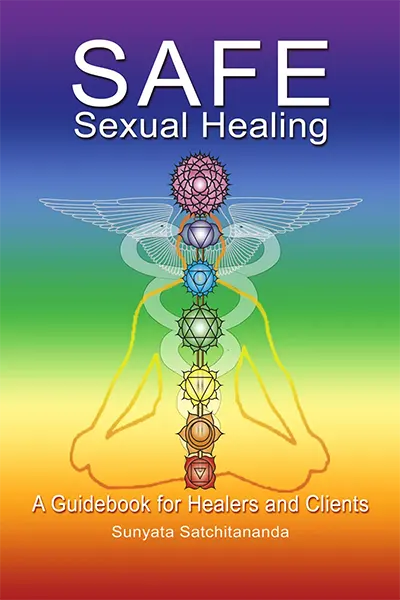
Before working with any Tantric Healer or Sexual Healer, I strongly recommend reading my book first: Safe Sexual Healing: A Guidebook for Healers and Clients. It thoroughly discusses informed consent and also reviews what precautions Tantra event or workshop providers should take to maintain a safe environment and experience for participants.
To learn more about Tantra and explore the connection between sacred sexuality and Tantra, including neo-Tantra, sexual energy, spiritual intimacy, and sex as meditation
Leave a Reply