
Accountability Without Collective Blame
This essay is paired with a companion article, When Saying No Doesn’t Feel Possible: Consent, Silence, and the Responsibility to Notice, which explores the often-unspoken emotions, uncertainties, and expectations that arise during romantic and sexual intimacy, and how greater awareness and empathy can help both women and men understand one another more fully.
Recent allegations of sexual assault brought by a former Cornell University student, and the growing #IamJaneDoe movement, have renewed conversations about women’s safety and men’s behavior, echoing the concerns raised during the earlier #MeToo movement.
As a spiritual counselor and sexual healer for over two decades, I’ve worked with hundreds of women, many of whom have experienced sexual abuse or trauma. I’m also the author of Safe Sexual Healing: A Guidebook for Healers and Clients, which centers on ethics, consent, and client safety. Given my experience working with both women and men, I’d like to weigh in on this conversation and perhaps offer some perspective that makes room for greater mutual understanding.
My intention is to stand firmly in support of women’s safety, sovereignty, and right to be heard, while also making room for conscientious men who genuinely want to contribute to a safer culture. I believe we can do both without diminishing women’s experiences or holding individual men guilty of another man’s wrongdoing.
Women’s Fear and Distrust of Men
Women’s fears and experiences deserve to be taken seriously. According to the CDC’s National Intimate Partner and Sexual Violence Survey, nearly half of U.S. women have experienced some form of contact sexual violence in their lifetime. Many have also endured sexual harassment, coercion, intimidation, and other forms of threatening behavior from men. These experiences can leave emotional wounds that affect their feelings of safety and trust for years afterward.
It’s no wonder that some women would rather be alone in a forest with a bear than a man they don’t know.
Women don’t owe men their automatic trust or reassurance. Trust is something a man earns through his ongoing behavior, and even then, it remains a woman’s choice to give.
In my sessions with women, a recurring experience they’ve shared with me is of a man they thought they could trust who took advantage of them in some way that crossed boundaries of consent and choice, sometimes exploiting circumstances in which they were especially vulnerable or compromised.
When someone you believed was safe becomes the very person who violates your trust, it changes how you see other people. You may become more guarded, more watchful, less willing to give someone the benefit of the doubt.
After repeated experiences of this kind, it’s understandable why women might see men in general as potential threats until they’ve demonstrated otherwise. The burden of determining who is safe has too often fallen on women, and they’ve learned through painful experience that getting it wrong can carry serious consequences.
A woman’s right to safety, bodily autonomy, and personal boundaries exists regardless of her past experiences. She doesn’t have to demonstrate that her caution is justified, or that she’s sufficiently healed from past trauma, to deserve respect and freedom from harassment or abuse.
Men’s Responsibility Without Collective Guilt
I’ve also had the opportunity to work with many men over these decades. I’ve often heard from men who genuinely care about women’s sovereignty, safety, and well-being, yet feel dismayed when they perceive themselves as being grouped together with men who have committed abuse or assault.
These men want to be supportive. They recognize the harm women have experienced and want to contribute to changing the attitudes and behaviors that perpetuate it. But they also feel alienated when the conversation seems to characterize all men as dangerous, predatory, or personally responsible for another man’s wrongdoing.
I understand their concern.
The distinction I would like to bring into this conversation is this:
Being innocent of another man’s wrongdoing does not exempt a man from the responsibility to contribute to a safer culture. But accepting that responsibility does not make him guilty of another man’s wrongdoing either.
There is, however, something else for men to consider, especially those who believe they’ve never behaved in ways that might have made a woman feel uncomfortable, threatened, or unsafe.
Good intentions don’t always translate into considerate behavior. A man may genuinely believe he’s always treated women respectfully without realizing that he has sometimes acted insensitively, disregarded a boundary, or made a woman uncomfortable. He may never have known because the woman involved didn’t feel safe enough to tell him. But her silence doesn’t mean his behavior was acceptable.
Many women I’ve worked with describe a lifetime of dealing with men’s sloppiness, inconsiderateness, and disregard for boundaries in interactions with family members, acquaintances, coworkers, bosses, dates, boyfriends, and husbands. They’ve learned that speaking up can bring denial, anger, ridicule, or even further abuse.

This helps explain why references to “all men” sometimes emerge in these conversations. A woman may not know which men are safe, and she shouldn’t have to risk her well-being to find out. Her caution may extend to men who have never personally harmed her.
I can understand the emotional reality behind that generalization without agreeing that every individual man deserves to be characterized as dangerous or abusive.
And for men who believe themselves to be among the “good guys,” there’s an opportunity for honest self-examination. Being conscientious includes a willingness to recognize our blind spots, examine our behavior, and take responsibility when we’ve caused discomfort or harm. It also means accepting that a woman isn’t obligated to explain her boundaries or educate us about behavior we should already know to question.
How Our Emotional Wounds Influence Our Perceptions
Sexual assault, coercion, harassment, and violations of consent are matters of conduct and accountability. Reports of these violations deserve to be taken seriously, met with compassion, and addressed through appropriate investigation and justice.
Sexual violence is not a misunderstanding caused by someone’s emotional history. Nor is it something a woman brings upon herself because of unresolved trauma, misplaced trust, or an inability to recognize danger. Responsibility for abusive conduct belongs to the person who commits it.
There’s another aspect of human relationships I believe deserves attention, particularly in ordinary interpersonal conflicts where no abuse or violation of boundaries has occurred. Our emotional histories can influence how we perceive another person’s words, behavior, and intentions, sometimes without our realizing it.
Both women and men carry these emotional filters.
Our past experiences can cause us to read something into another person’s words or behavior that may not have been intended. Sometimes we react to what is happening in the present through the emotional memory of something that happened years ago.
We may not even recognize it happening. A certain tone of voice, a look, a familiar mannerism, and suddenly the body becomes guarded, the emotions rise, and we find ourselves responding to more than the immediate situation.
Our experience of the moment is real. The feelings are real. But the meaning we assign to the other person’s intentions may not always reflect what was actually happening.
A man who has experienced rejection, shame, or repeated criticism may interpret a woman’s caution as an accusation against his character. He may become defensive, resentful, or feel he’s being treated unfairly, when the woman is simply exercising her right to feel safe. His past wounds may help explain that reaction, but they do not excuse behavior that disrespects her boundaries or places responsibility on her to soothe his feelings.
Consider a familiar frustration sometimes expressed in personal relationships:
“I can’t say anything right.”
That statement may reflect a genuine difficulty in communication, or it may reveal the speaker’s own defensiveness and unwillingness to hear something uncomfortable. We can’t know which without examining what actually happened between the people involved.
Sometimes both people are interpreting an interaction through their own emotional histories, each believing the other is responsible for the difficulty.
I’ve encountered these patterns many times in my counseling work. Often, the people involved aren’t consciously aware of the emotional filters influencing their perceptions. They simply experience their feelings as an accurate reflection of what’s happening.
Becoming aware of our emotional filters can help us recognize when past experiences are influencing our present relationships. We may discover that an old wound has made us defensive, distrustful, or inclined to misunderstand another person’s intentions. This awareness can give us greater freedom in how we respond and relate to others.
But we must be careful not to confuse this kind of personal reflection with responsibility for another person’s harmful conduct. A woman’s fear or distrust of men is not evidence that her perceptions are distorted, nor does she have to overcome that fear to justify protecting herself. Her caution deserves respect whether it arises from past experiences, present circumstances, or simply her personal choice.
Emotional healing concerns a person’s relationship with their own experiences. Accountability for abuse concerns another person’s conduct. We can speak meaningfully about both, but one must never be used to explain away or excuse the other.
Creating Space for Mutual Understanding and Accountability
What I would like to see emerge from this conversation is a greater willingness to understand one another without dismissing the very real differences in our experiences.
Women shouldn’t be asked to become less cautious to protect men’s feelings. Nor should conscientious men be expected to accept personal guilt for the wrongdoing of other men.
Men can, however, become more aware of the circumstances women have had to contend with throughout their lives, and recognize how their own words and behaviors may affect women who have previously experienced violations of trust and safety.
This doesn’t require men to walk around feeling perpetually guilty or fearful of making a mistake. It asks them to be attentive, considerate, and willing to listen when something about their behavior has caused discomfort.
A man’s character is revealed in how he responds when a woman tells him no, when she disagrees with him, or when she points out something he’s done that made her uncomfortable. Does he listen and consider what she’s saying? Does he take responsibility when he’s wrong? Or does he become defensive, angry, or dismissive? These are the moments when his respect for women becomes more than something he claims about himself.

Accountability asks more of us than good intentions. We must be willing to examine our conduct, acknowledge when we’ve crossed a boundary or caused harm, and make meaningful changes rather than retreat into defensiveness.
This applies to all of us, regardless of gender. We can each benefit from greater awareness of our own emotional reactions and how our behavior affects others. But that shared responsibility for personal growth must never be confused with shared responsibility for abusive conduct. The person who violates another’s consent or abuses their trust bears responsibility for that behavior, not the person who experiences it.
For men, accountability also means being willing to challenge the harmful behavior of other men. It’s not enough to consider ourselves among the “good guys” while remaining silent when we witness intimidation, harassment, coercion, or the casual disregard of women’s boundaries. Supporting a safer culture sometimes requires us to speak up, even when it’s uncomfortable or risks the disapproval of other men.

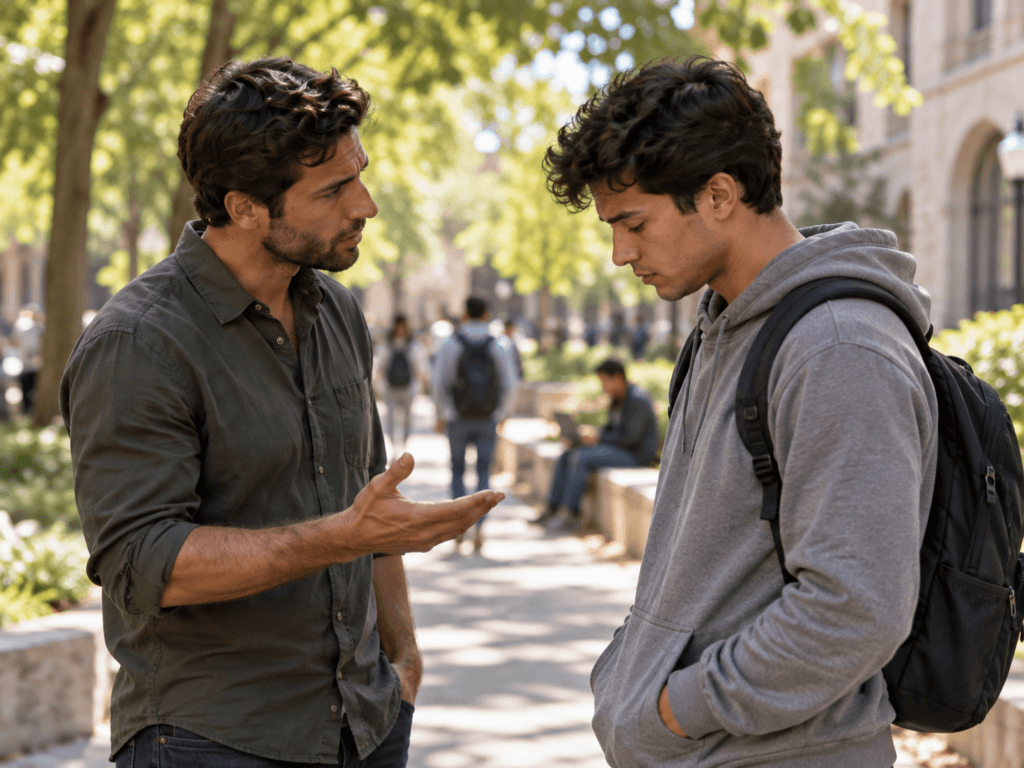
I also believe that greater awareness of our emotional histories can help us develop healthier relationships. Where unresolved wounds continue to affect our lives, personal healing may give us greater freedom to relate to others without unconsciously repeating old patterns of fear, defensiveness, or distrust.
For women who have experienced sexual abuse, harassment, or betrayal, however, emotional healing is something they may choose for their own well-being, on their own terms. It is not a responsibility imposed upon them to prevent further abuse. Their right to safety does not depend on how much healing they’ve done, how they respond emotionally, or how accurately someone else believes they perceive a situation. No woman needs to become more trusting, less fearful, or more emotionally mature to deserve freedom from sexual violation.
Supporting women’s safety, sovereignty, and healing must never be conditional upon whether men receive something in return. Women don’t owe men reassurance, validation, or recognition for behaving with decency and respect. Their experiences deserve acknowledgment and compassion on their own merit, not because doing so might eventually lead to better relationships with men.
My hope is that women will no longer have to continually defend their right to safety, and that conscientious men can spend less energy defending their character and more energy demonstrating it through their actions. Their willingness to be accountable and to support women without expecting acknowledgment or reward is what gives their participation meaning.
Sexual assault, coercion, harassment, and violations of consent deserve our unequivocal condemnation. Those responsible must be held accountable. Neither good intentions, emotional wounds, nor appeals to mutual understanding should excuse abusive conduct or diminish the seriousness of the harm caused.
Condemning wrongdoing and holding those responsible accountable is where we must begin. From there, I believe we can aspire to greater personal awareness, reflection, and responsibility. We can examine our own behavior, recognize how past emotional wounds influence our perceptions, and become more conscientious in how we treat one another. For men, this also means taking an active role in creating a culture where women’s safety, consent, and personal sovereignty are respected without question.
Women deserve safety and respect without conditions. Men deserve individual consideration without being excused from responsibility. And all of us can benefit from the self-awareness that helps us understand our emotional histories without losing sight of the reality of how we treat one another.
Your Thoughts Are Welcome
I recognize that this is a sensitive subject that touches deeply personal experiences, feelings, and beliefs. I welcome your thoughts and perspectives, whether you agree with what I’ve written, see things differently, or have something from your own experience to contribute.
My hope is that we can approach one another with compassion, honesty, and respect, recognizing that others may have lived through experiences very different from our own. No one should feel obligated to share personal or painful details to participate in the conversation.
I invite you to add your voice in the comments, with a willingness to listen as well as be heard. Perhaps we can learn something from one another.
In my companion essay, When Saying No Doesn’t Feel Possible: Consent, Silence, and the Responsibility to Notice, I look more closely at what happens between two people when sexual attraction, unspoken expectations, uncertainty, and conflicting desires make genuine consent difficult to recognize or communicate. Drawing from my counseling work and personal relationship experience, I explore how women and men can gain greater insight into what the other may be experiencing beneath the surface, and how compassion, self-awareness, and emotional responsibility can help create more trusting, mutually fulfilling intimate relationships.
For a deeper look at masculine healing and spiritual maturity, read Evolving the Masculine. This companion essay explores the Hurt Little Boy, the Anima, parts work, and the inner path toward grounded, emotionally honest, spiritually balanced manhood.

Leave a Reply